My wall is damp but nothing is dripping: what is happening
A wall can feel cool, look stained or smell musty even after the leak stopped and the puddle is gone. That is moisture held inside drywall, framing or insulation. It will not go away on its own quickly, and it can feed mold if it stays.
Structural drying is the process of taking that hidden water out. It is also called water mitigation, a term you may see on estimates and insurance paperwork. The work uses air movers, dehumidifiers and meters, and it follows the ANSI/IICRC S500 standard for professional water damage restoration.
How drying actually works
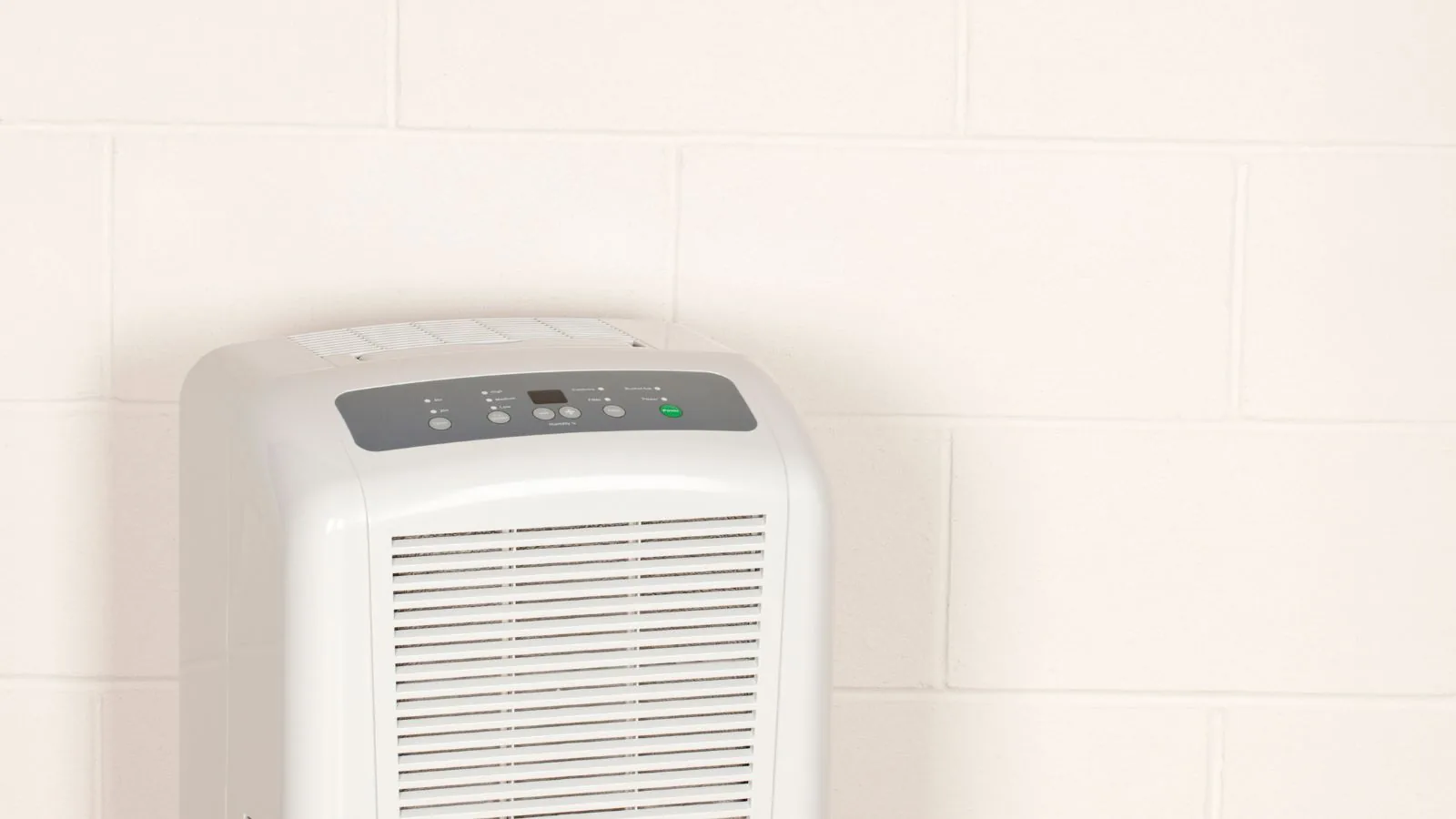
Drying has two jobs. Air movers push air across wet surfaces so water evaporates into the room. Dehumidifiers remove that water from the air so it cannot settle back into materials. If either one is missing, the room stays wet.
Low-grain refrigerant (LGR) dehumidifiers pull water from air even when it is already fairly dry, which speeds drying near the end of the job. The crew places equipment by the layout of the room, not by a rule. Walls may get pins or holes drilled in the baseboard so warm air flows into the cavity.
Moisture mapping: how a crew knows where the water is
Moisture mapping is how the crew finds wet materials without tearing everything open.
Tools
A moisture meter reads the water content of drywall, wood and concrete. A thermal camera shows cool areas where evaporation is happening. A hygrometer reads the humidity and temperature of the room.
Method
The crew marks readings on a floor plan, starting with an unaffected area to set a dry reference. Each day the readings are repeated at the same spots, so you can see the numbers fall.
Why it matters
Readings are the evidence that the structure is dry. Without them, you are guessing, and wet framing behind new drywall can lead to mold later.
Equipment and what each piece does
These are the main tools on a typical drying job.
| Equipment | What it does | Where it goes |
|---|---|---|
| Air mover | Moves air across wet surfaces | Floors, walls, ceilings |
| LGR dehumidifier | Removes moisture from the air | Center of the affected area |
| Desiccant dehumidifier | Dries air in cold or very wet spaces | Basements, crawl spaces |
| Drying mats | Pull water from hardwood and subfloor | On the wet floor |
| Air scrubber | Filters air when contaminants are present | Where dust or mold is a concern |
Drying is the step that protects the rest of the house
Call and tell us what was wet and when.
How long drying takes
Drying time depends on the materials, the water category, how wet the structure is and the weather. Many jobs run for several days, and plaster, thick hardwood and concrete can take longer. The crew checks readings every day and removes equipment only when each material reaches its dry standard.
If a wall cavity or ceiling must be opened to let air in, the crew explains why before cutting. Examples include wall and drywall water damage repair and a wet ceiling.
Cost and insurance for drying
Price depends on the square footage, the number of days of equipment, the materials involved, and whether the water was clean or contaminated. Equipment is usually priced per day, so a faster dry-out is also a cheaper one.
Insurers often cover drying when the loss was sudden and accidental. Keep the daily moisture logs, because they show what was wet and how it dried. Check your policy or ask your insurer. Want your real number? Call (844) 950-6900 and we will explain the scope and price before work starts.
What to do before help arrives
While you wait for drying equipment, these steps help:
- Remove wet rugs, cushions and books from the room.
- Lift curtains and furniture legs off wet flooring.
- Do not turn up the heat, which can speed mold, and avoid sealing the room tight.
- Open interior doors and cabinet doors so air can move.
- Take photos and note the humidity if you have a hygrometer.
Air movers, dehumidifiers and renting equipment
Callers often ask whether they can rent air movers and a dehumidifier and dry the house themselves. Equipment alone is only part of the job. The harder part is knowing where the water went, placing the equipment so air reaches wet material and taking readings until the structure is dry. We do not offer equipment rentals.
Drying usually takes several days, and the time depends on the materials, the water category and how fast work started. Ask for daily readings so you can see the trend and know when equipment can come out.
Frequently asked questions
Cool or damp surfaces, bubbling paint, a musty smell, or a stain that returns after painting are signs. A moisture meter and a thermal camera confirm it without cutting into the wall.
It means stopping the loss and limiting the damage, which includes extraction and structural drying. It is the first stage after water gets in, before repairs begin.
For a small damp patch, they can help. For a wet structure, commercial equipment moves far more air and water, and a meter tells you when the materials are dry.
Air movers and dehumidifiers run all day and night, so expect steady noise. Crews place them to dry the area efficiently, and you can ask about turning off units overnight where it is safe.
Drying quickly lowers the risk, because mold needs moisture. EPA guidance says to dry wet materials within 24 to 48 hours. If mold is already present, the next step is cleaning it following S520.