A storm just pushed water into your home: stay safe first
Storm damage is an emergency, and our line is open 24/7, including during and after severe weather when it is safe for crews to travel. Stay away from downed wires, and do not go into rooms where water is near outlets or the electrical panel.
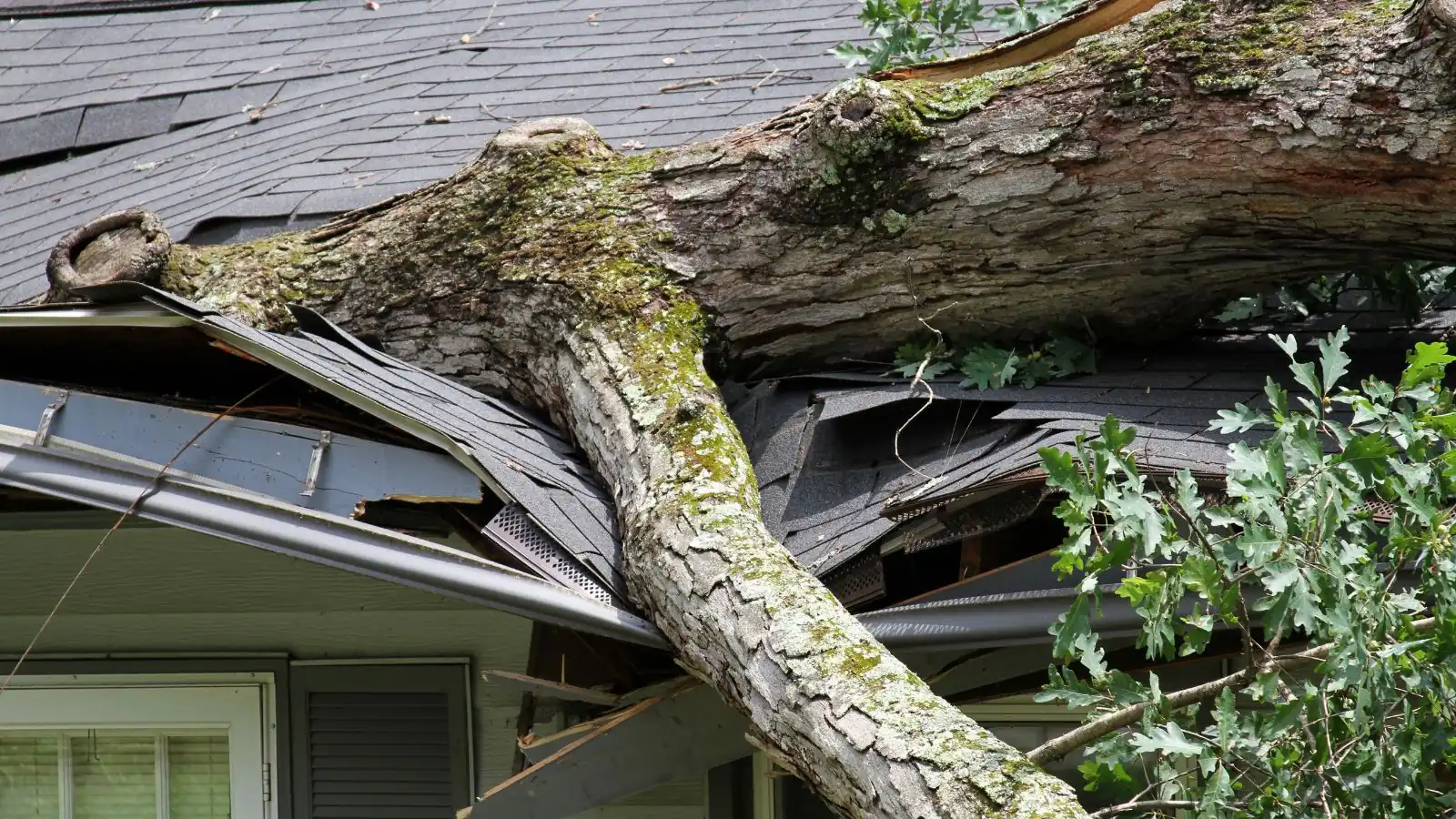
If a tree has fallen on the roof or a window is broken, cover openings with plastic sheeting or tarps if you can do it safely from the ground. Move belongings away from wet areas, and take photos of the damage and the weather conditions.
Then call. A crew can start extraction and drying the same day when available, and fast action keeps rain damage from spreading into insulation and framing.
Storm water damage versus flood damage
These two get mixed up. Storm water damage is wind-driven rain entering through the roof, windows, doors or siding, usually from the top or the sides. Flood damage is water rising from the ground, a waterway or a drain.
The difference matters for insurance and for cleanup. Rain through a damaged roof is often handled under homeowners coverage, while rising ground water is usually excluded and needs flood coverage. If both happened, say so. Our flood damage restoration page covers rising water.
Where storm water gets in
A crew looks for these entry points:
- Missing or damaged shingles and flashing around chimneys and vents.
- Gutters and downspouts that overflowed or came loose.
- Windows and doors with failed seals or storm damage.
- Siding gaps and wall penetrations.
- Attic vents that let in wind-driven rain.
A roofer or contractor repairs the opening. We dry the structure and remove wet materials.
Temporary protection and permanent repair
Keep the two apart.
| Action | Who | Purpose |
|---|---|---|
| Tarp the roof or board a window | Homeowner or contractor | Stop more water getting in |
| Extract and dry | Restoration crew | Dry insulation, drywall and framing |
| Repair roof, siding or windows | Roofer or contractor | Permanent fix |
| Replace finishes | General contractor | After readings are dry |
Wet insulation and drywall keep absorbing after the rain stops
Call day or night.
After the rain stops: the first 48 hours
Once the storm passes, look at the outside of the house before the inside. Check the roof from the ground, the gutters, the flashing around chimneys and the window seals. Take photos of anything missing or broken, with the weather conditions noted.
Inside, look at ceilings, the tops of walls, the attic and the corners of rooms. Water from a roof leak often shows first at a ceiling edge or light fixture. A flashlight and a moisture meter find damp spots before stains appear.
Dry the area as fast as you can. EPA guidance says to dry wet materials within 24 to 48 hours to prevent mold growth, so a crew that starts the same day makes a real difference.
Storms and the Bergen County area
Northern New Jersey gets heavy rain from tropical remnants and nor'easters, and the National Weather Service publishes storm reports for Bergen County. We do not cite a specific storm for your address. What matters is that your own roof, gutters and flashing be checked after any heavy rain.
Neighbors in Oradell and New Milford deal with the same storms, and the crews cover them too.
Cost and insurance
Price depends on how much water entered, how long materials stayed wet, and which rooms were affected. A single window leak is a small job. A roof opening over several rooms is a large one.
Wind and rain damage is often covered by homeowners insurance, while flood is usually not. Check your policy or ask your insurer about storm deductibles. Want your real number? Call (844) 950-6900 and we will explain the scope and price before work starts.
Standards for storm water cleanup
Storm water is often contaminated, and ANSI/IICRC S500 classifies it as a higher-risk water category with stricter rules on cleaning and removal. The standard is a published reference that you can ask any company about.
Ask also about your flood coverage. The FEMA flood map for your address shows the mapped risk, and your insurer tells you what your policy pays.
Frequently asked questions
Yes. The line is open 24/7 and a same-day response is offered when a crew is available and conditions are safe.
Only if you can do it safely from the ground or a stable position. Otherwise call a roofer or a restoration crew that offers board-up.
Wind and rain damage is often covered, while flood is usually not. Check your policy or ask your insurer.
Take photos of the damage, the water, and the weather. Include wide and close shots and note the time.
No. A roofer handles the roof. We dry and restore the interior.