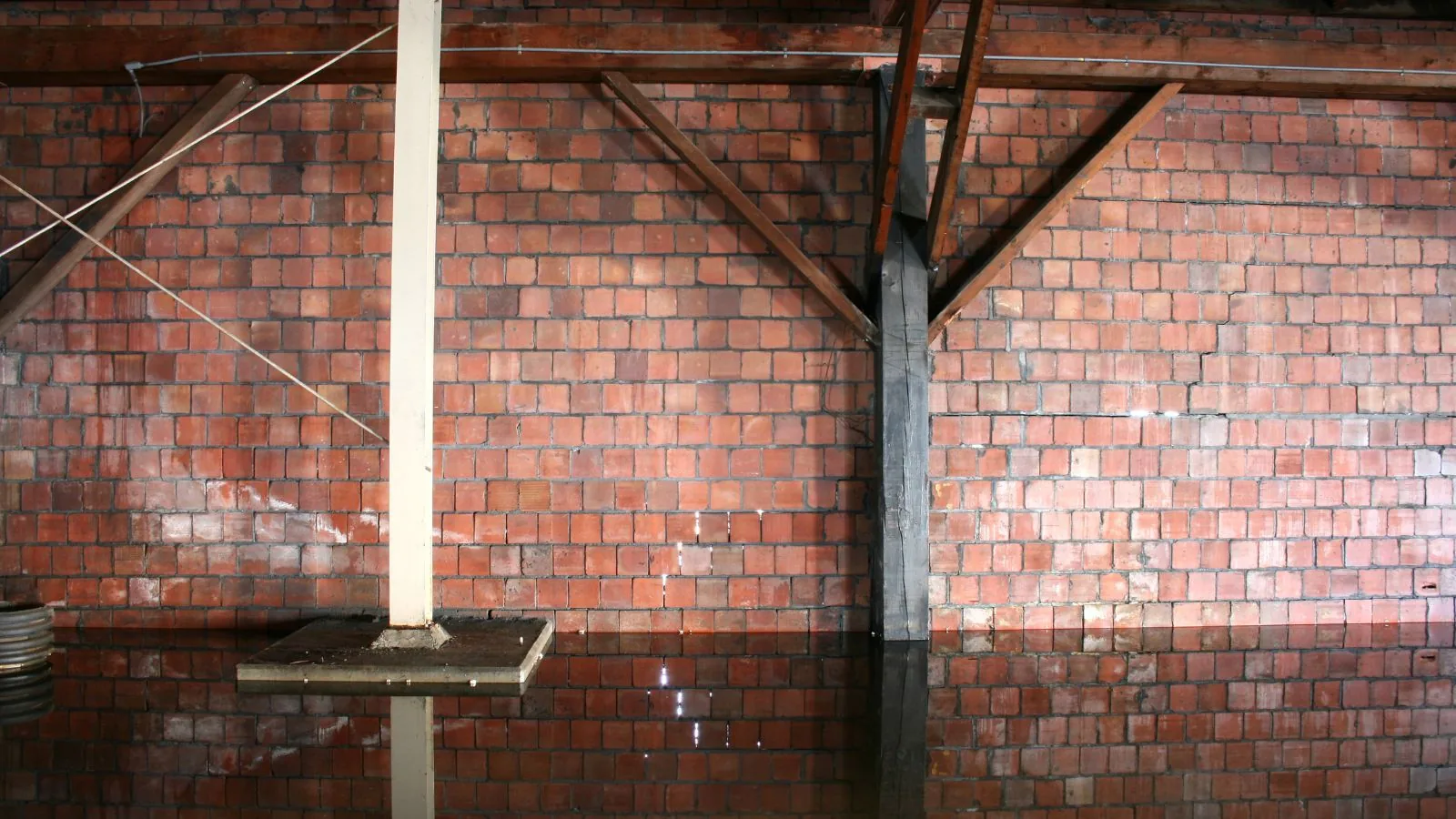
Your business has water on the floor: first steps
A commercial water loss is an emergency because every hour of downtime costs money. Our line is open 24/7, including nights and holidays. While you wait, close the main shutoff for the building or the affected suite, move inventory and equipment off the floor, and keep customers and staff out of wet areas.
If water is near electrical panels, outlets or machines, stay out and call the electric utility or 911 before you call us. Do not power equipment that stood in water. Take photos of the damage and the water line before anything is moved.
Why commercial jobs are different from home jobs
Commercial buildings have larger floor areas, more tenants, and more complex systems. Water in one unit can reach several below it. Flooring, ceilings and fire-rated walls all have their own requirements, and a landlord, a tenant and an insurer may all need paperwork.
Dumont has retail on Washington Avenue and Madison Avenue, including the Washington Commons center, and many small businesses sit under apartments or alongside other tenants. A leak on one floor can spread through shared walls and ceilings. A shared wall means a neighbor's leak can become your problem, so tell the dispatcher which units sit above, below and beside the wet area.
What a commercial crew plans for
A commercial job is planned around keeping the business running when possible:
- Work in zones so part of the space can stay open.
- Protect inventory and equipment by moving it to dry areas.
- Run drying equipment on a schedule that fits the building's electrical load.
- Document the loss with photos, moisture logs and a scope for the insurer.
- Coordinate with the landlord, property manager or tenants.
If your building has a sprinkler or fire-suppression system, call the fire department first if it has been triggered.
Common commercial situations
These are the situations that come up most often.
| Situation | Typical cause | Focus |
|---|---|---|
| Retail shop | Roof leak, sprinkler, supply line | Protect stock and open as soon as possible |
| Office suite | Upstairs leak, HVAC | Dry ceilings, protect records and equipment |
| Restaurant | Dishwasher, grease trap, drain backup | Sanitation and health code needs |
| Multi-unit building | Supply line in a shared wall | Multiple units and shared paperwork |
Every hour of downtime costs a business money
Call day or night with the address and the area affected.
How the work is done
The crew extracts water, removes materials that cannot be saved, and sets air movers and dehumidifiers sized for the floor area. Daily readings are logged. For larger buildings, the crew may use desiccant dehumidifiers and temporary power.
When sewage or contaminated water is involved, the work follows the steps on our sewage backup cleanup page. For a loss that came from a storm, see our storm water damage page.
What landlords, tenants and insurers will ask for
Commercial losses come with paperwork. A landlord may want a written scope and moisture logs. A tenant may need proof for a business interruption claim. An insurer will want photos, the date and cause of the loss, and an itemized list of what was damaged.
Start collecting early. Photograph the water, the source and the damaged inventory before anything is moved. Write down who noticed it and when. Keep receipts for emergency purchases. Note which parts of the building were closed and for how long.
Check your lease too. Some leases say who handles damage inside a suite and who handles the building. A crew can work around the question, but you will want to know whose insurer to call before the first bill arrives.
Cost and insurance for commercial losses
Price depends on the size of the affected area, the materials, the water category and the number of days of equipment. Business interruption is not part of the restoration price, but your policy may cover it.
Commercial property policies vary a lot, and many have separate terms for water damage, flood and business interruption. Check your policy or ask your insurer or broker. Want your real number? Call (844) 950-6900 and we will explain the scope and price before work starts.
A standard that applies to commercial losses
Commercial drying uses the same published reference as homes, ANSI/IICRC S500, scaled to larger rooms, longer runs and more equipment. Ask a company how its scope documents equipment counts and readings, since a landlord or insurer may want them.
A written scope that cites the standard is easier for a property manager to check than a general promise.
Shops and apartments in the town center
Around Washington Avenue and Madison Avenue, buildings often share walls and ceilings. Our Downtown Dumont page explains who to call first when a leak crosses from one unit to another.
Frequently asked questions
Yes. The line is open 24/7 and a same-day response is offered when a crew is available. Call with the address and what is wet.
Often yes. Work is planned in zones and scheduled to keep part of the space open when it is safe.
Yes. We document the loss in a form that landlords, tenants and insurers can use.
It depends on your policy. Check your policy or ask your insurer or broker.
Yes, including Haworth, Cresskill, New Milford, Demarest and Oradell.