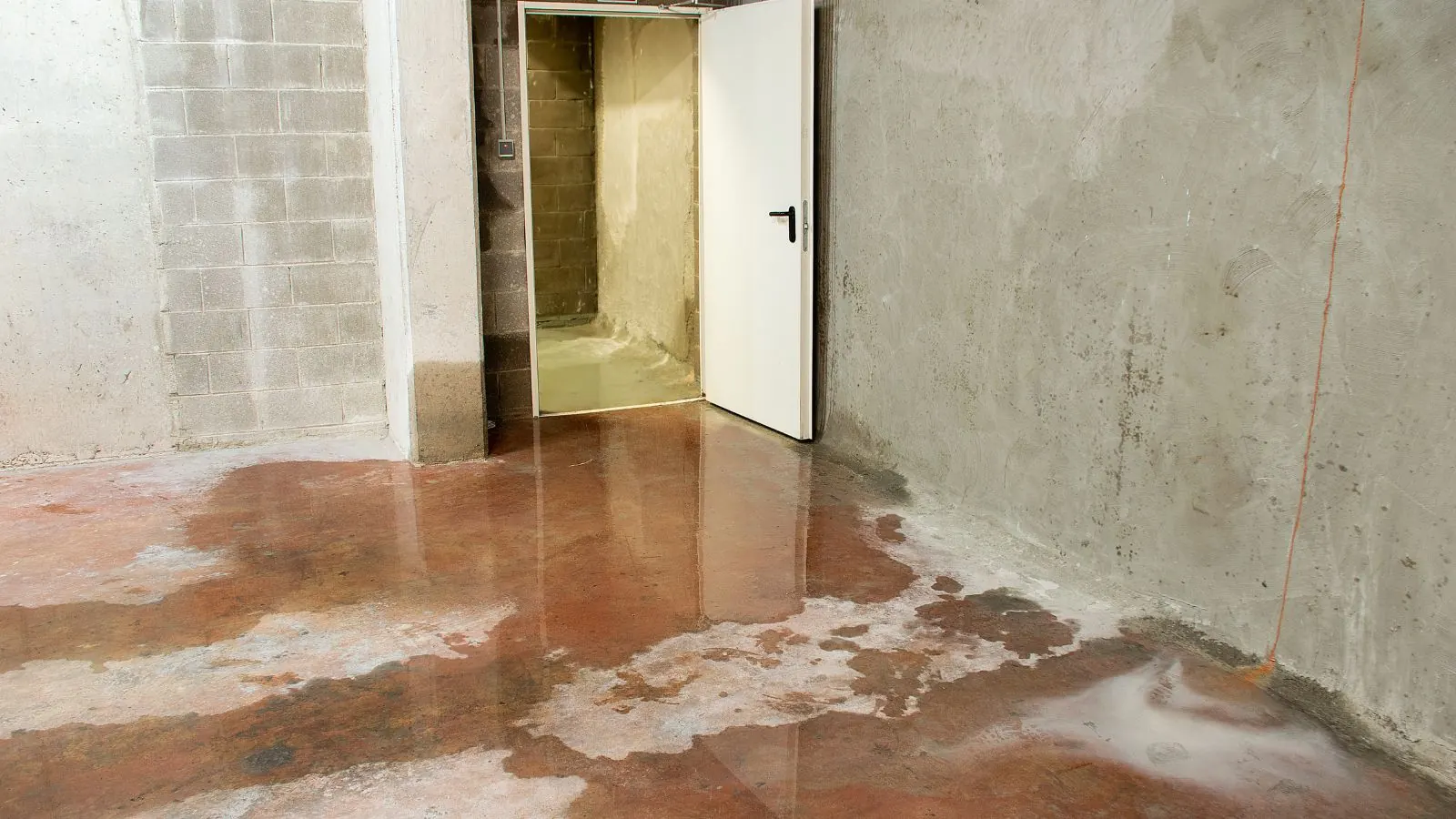
Your basement is taking on water: safety first
A flooding basement is an emergency, and our line is open 24/7, including storm nights. Stay out if the electrical panel or outlets are near the water, and call the electric utility or 911. Do not go down the stairs if the water is deep or moving.
If the sump pump has stopped, check the breaker and the float, but do not stand in water to do it. Move belongings upstairs if it is safe. Photograph the water line and any damage. Then call, so a crew can start pumping the same day when available.
Why basements flood and what that means for cleanup
Basements sit below ground, so water collects there from rain, groundwater, drains and plumbing. The source decides the water category. A leaking pipe is clean, while groundwater and sewer backup are contaminated.
In Dumont, check your own risk with the FEMA flood map and ask the building department about local drainage rules. A cleanup removes the water and dries the room. It does not waterproof it, and if water keeps returning, a drainage contractor should look at the cause.
Common basement water sources
The source guides the response.
| Source | Water category | Notes |
|---|---|---|
| Burst pipe or water heater | Category 1 | Clean at first, spreads quickly |
| Sump pump failure | Category 2 or 3 | Groundwater, treat as contaminated |
| Foundation seepage | Category 2 | Often slow, check walls and floor |
| Floor drain backup | Category 3 | Sewage, see sewage backup cleanup |
What the crew does in a finished basement
Finished basements add materials to deal with:
- Pump or extract water in stages.
- Remove wet carpet, pad and insulation.
- Cut drywall above the water line to dry the cavity.
- Clean and treat surfaces, then dry with air movers and dehumidifiers.
- Check stored contents and move or discard wet items.
Cinder block and poured concrete walls can hold moisture, so readings continue until they match the dry reference.
Basement water spreads into walls and flooring fast
Call day or night.
Finished and unfinished basements: how the plan changes
An unfinished basement with a concrete floor and bare block walls is the simpler job. The water is pumped out, the floor is cleaned, and fans and dehumidifiers dry the space. Stored boxes, shelving and wood framing near the floor are the main concerns.
A finished basement has carpet, pad, drywall, insulation and sometimes a ceiling. Each layer holds water. The crew removes the wet carpet and pad, cuts the drywall above the water line, and opens wall cavities so the framing and the foundation wall can dry. The more finishes there are, the more has to come out.
Contents matter too. Cardboard boxes, upholstered furniture and paper items that sat in water are rarely worth saving. Hard goods such as metal shelving can be cleaned. Photograph everything before you throw it out, because your insurer may ask for a list.
Restoration is not waterproofing
A cleanup crew removes water and dries the space. It does not fix the reason water entered. If your basement keeps taking water, a waterproofing or drainage contractor should look at the foundation, grading, gutters and sump system.
If the basement had carpet or hardwood, see our pages on carpet water damage and structural drying.
Cost and insurance
Price depends on the water depth, the area, the finishes and the water category. A concrete basement with a few inches of clean water is a small job. A finished basement with contaminated water is large.
Water from a sudden pipe failure is often covered, while groundwater and flood usually need separate coverage. Check your policy or ask your insurer. Want your real number? Call (844) 950-6900 and we will explain the scope and price before work starts.
Which published standards apply in a basement
Basement cleanup follows the water damage practices in ANSI/IICRC S500, with extra care when the water came from outside or from a drain. The category of the water, from clean to contaminated, decides what can be dried and what must be removed.
EPA guidance adds that wet materials should be dried within 24 to 48 hours to prevent mold. That window is why the first day matters more than the first week.
If you live on the east side of Dumont
Basement problems depend on the house and not on a town name. Our East Dumont page lists the same first steps for homes near Memorial Park.
Frequently asked questions
Yes. The line is open 24/7 and a same-day response is offered when a crew is available.
Not if the water is near the panel or outlets, or if it is deep or moving. Call the utility or 911.
No. We clean and dry. A waterproofing contractor handles the cause.
It depends on the source. Sudden pipe failures are often covered. Groundwater and flood usually need separate coverage. Check your policy.
Use the FEMA Flood Map Service Center for your address.