The job in one sentence
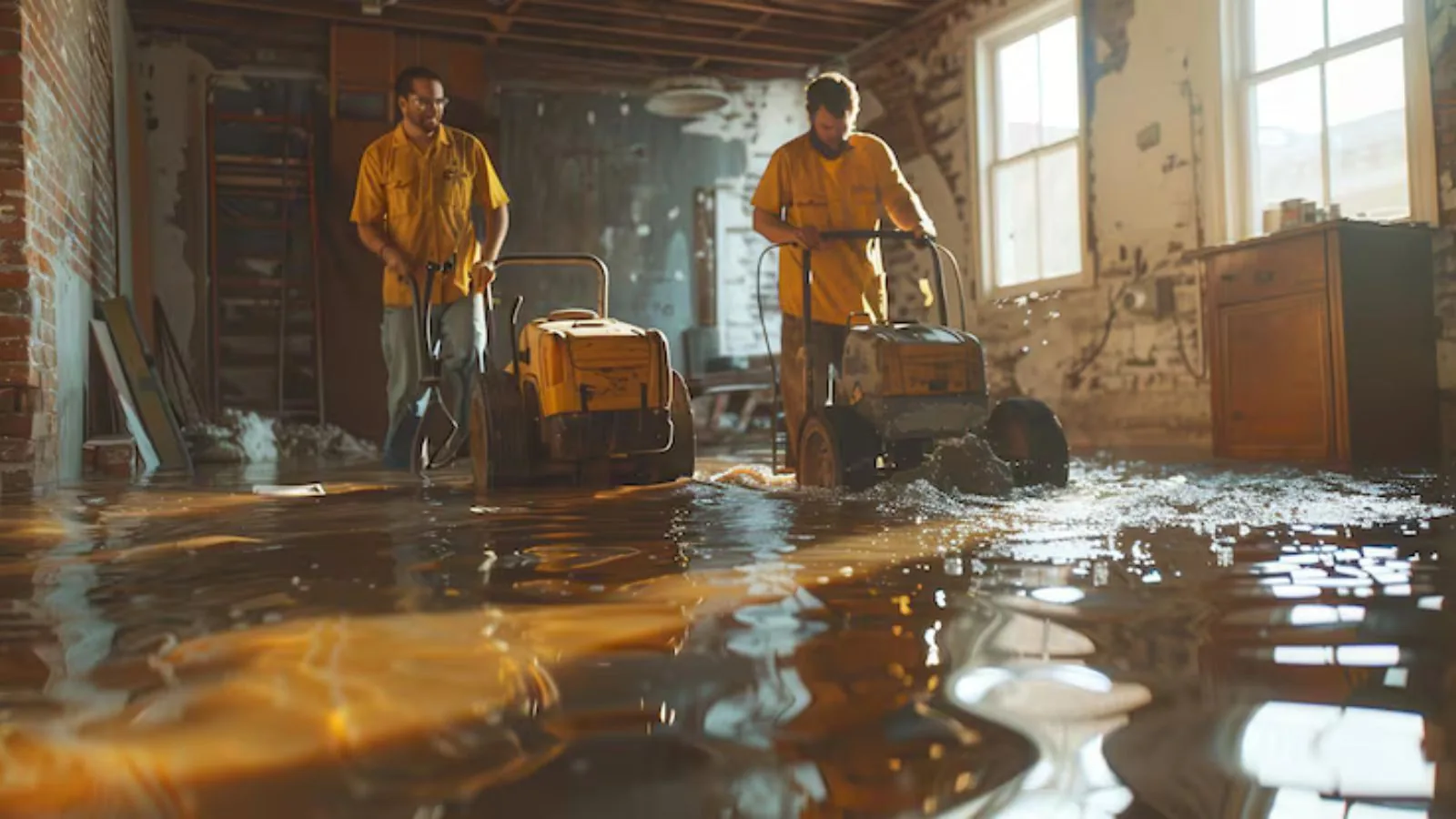
A water mitigation company limits the damage after water gets in. It stops the source from spreading, removes standing water, dries the structure and documents the loss. Rebuilding, which means replacing drywall, flooring and cabinets, is a separate stage called reconstruction.
The word mitigation means reducing harm. In water damage, it means keeping a bad situation from becoming worse, and it is the stage insurers care about most because early action limits the claim.
A typical timeline
Times vary, but most jobs follow this arc.
| When | What happens | Why it matters |
|---|---|---|
| Hour 0 to 2 | Assessment, source checked, standing water extracted | Stops water from spreading |
| Day 1 | Wet materials removed, equipment set, moisture mapped | Begins drying |
| Days 2 to 4 | Daily readings, equipment adjusted | Tracks progress to the dry standard |
| Final day | Dry readings confirmed, equipment removed | Closes the mitigation stage |
| After | Reconstruction by the same or another company | Replaces what was removed |
What a crew does on the first visit
A good first visit is organized. Expect the crew to:
- Ask what happened and where the water started.
- Confirm the source is shut off.
- Check for electrical or contamination risks.
- Extract standing water with pumps and extraction units.
- Take moisture readings and thermal images to find hidden water.
- Remove materials that cannot be dried, such as saturated pad or insulation.
- Set air movers and dehumidifiers and explain how long they will run.
- Photograph and document the loss.
The crew should explain the scope and the price before work starts.
The first hours decide how much is saved
Call our 24/7 line.
What a mitigation company does not do
It does not repair plumbing, so a licensed plumber fixes the pipe or the water heater. It does not repair a roof. It does not decide what your insurer will pay. And it does not always rebuild. Some companies offer both mitigation and reconstruction, and some stop after drying.
Ask what is included. If you hire a company for the drying only, plan on a contractor for the rebuild, and make sure the drying records are passed on. If you hire the same company for both, ask for the scope and price of each stage separately.
Mitigation versus emergency services
Some people use mitigation and emergency services interchangeably. In practice, emergency services are the first hours, such as stopping the water and extracting it. Mitigation includes those hours and continues through the dry-out. Our page on water extraction covers the emergency side, and the structural drying page covers the rest.
What a good first visit looks like
A first visit has a rhythm. The technician walks the property, asks about the source and the time, and checks for safety hazards. They take moisture readings and often photos, then explain what they see and what they plan to do.
You should hear the scope and price before work begins. You should also hear which areas will be dried in place and which materials will be removed, with reasons. Questions are welcome, and a technician who cannot explain the plan in plain words may not have one.
After the plan is agreed, work starts at once. Extraction, equipment placement and any removal usually happen on the first visit.
What the company does not do
A mitigation company does not repair the source of the water. A plumber fixes a pipe, a roofer fixes a roof and an appliance technician fixes a machine. The mitigation crew deals with what the water did, and it works best when the source has been stopped.
It also does not decide your insurance coverage. Only your insurer does that. A company can provide records that support a claim, such as photos, readings and drying logs, but it cannot promise an outcome.
And it does not promise that mold will never appear. Drying the structure properly lowers the risk, but moisture that returns later can cause new problems.
Mitigation tasks and tools
This table shows what crews do and the tools behind each task.
| Task | Tool or method | Purpose |
|---|---|---|
| Find hidden moisture | Moisture meter, thermal camera | Locates wet material |
| Remove water | Pumps, wet vacuums, extractors | Takes out bulk water |
| Move air | Air movers | Evaporates water from surfaces |
| Remove humidity | Dehumidifiers | Pulls moisture from the air |
| Clean | Detergents and antimicrobial products as needed | Cleans surfaces after contaminated water |
| Document | Photos and daily logs | Supports your claim |
How to judge whether the work is going well
You can check progress without being an expert. Equipment should be running and placed where the wet material is. Readings should fall from day to day. The crew should explain any delay and tell you when they expect to finish.
Ask for a copy of the logs at the end. They record what was wet, when it dried and what equipment ran, which is the proof that the job was done.
Choosing a company
When you compare companies, ask about the scope, the equipment, the records and the payment plan. Ask whether crews follow ANSI/IICRC S500, and ask how they document progress. Ask for the price before work starts, and make sure it is in writing.
Be careful with anyone who promises results that depend on someone else, such as an insurer's approval. Honest companies explain what they control and what they do not.
What to do before help arrives
While you wait, shut off the water if you can, turn off power to wet areas at the breaker if it is safe, and move belongings out of the water. Do not enter a room where water touches outlets or appliances. Take photos before you move anything, so the crew and your insurer can see the original condition.
Dumont note: local reach and who to call first
Dumont is a borough of 1.95 square miles, bordered by Bergenfield, Cresskill, Demarest, Haworth, New Milford and Oradell. A mitigation crew that serves the borough also reaches the nearby towns, and you can see the list on our pages for Haworth and Cresskill.
For electrical or gas hazards, call 911 or the utility first, and the restoration line second. We do not promise arrival times. We offer same-day response when a crew is available, and dispatch runs around the clock.
Frequently asked questions
They overlap. Mitigation is the stage that stops the damage and dries the structure. Restoration can include the rebuild as well.
Many jobs take several days. Plaster, thick wood and concrete can take longer.
A small clean leak that you caught fast may not need one. If water got into walls or under flooring, a moisture check is worth it.
Some can. Ask what is included and get the scope and price of each stage.
Yes. The same crews serve both towns.