A reading is a comparison, not a verdict
People often ask what moisture reading is safe. The honest answer is that it depends on the material and on what is normal for your house. A reading of 18 percent on a wood stud means something different from 18 on drywall, and meter scales are not interchangeable across materials.
That is why professional crews set a dry reference first. They measure an unaffected area of the same material, such as a wall in another room, and treat that as the target. The job is dry when the affected materials match the reference.
The three tools and what each one tells you
A moisture meter reads water content in a material. A pin meter pushes two probes into the surface and measures electrical resistance. A pinless meter scans the surface with a sensor and reads moisture beneath it without leaving holes. Each has strengths, and crews often use both.
A thermal camera shows temperature differences. A wet area often looks cooler because water evaporating takes heat away. A thermal image does not measure moisture, but it shows where to take readings.
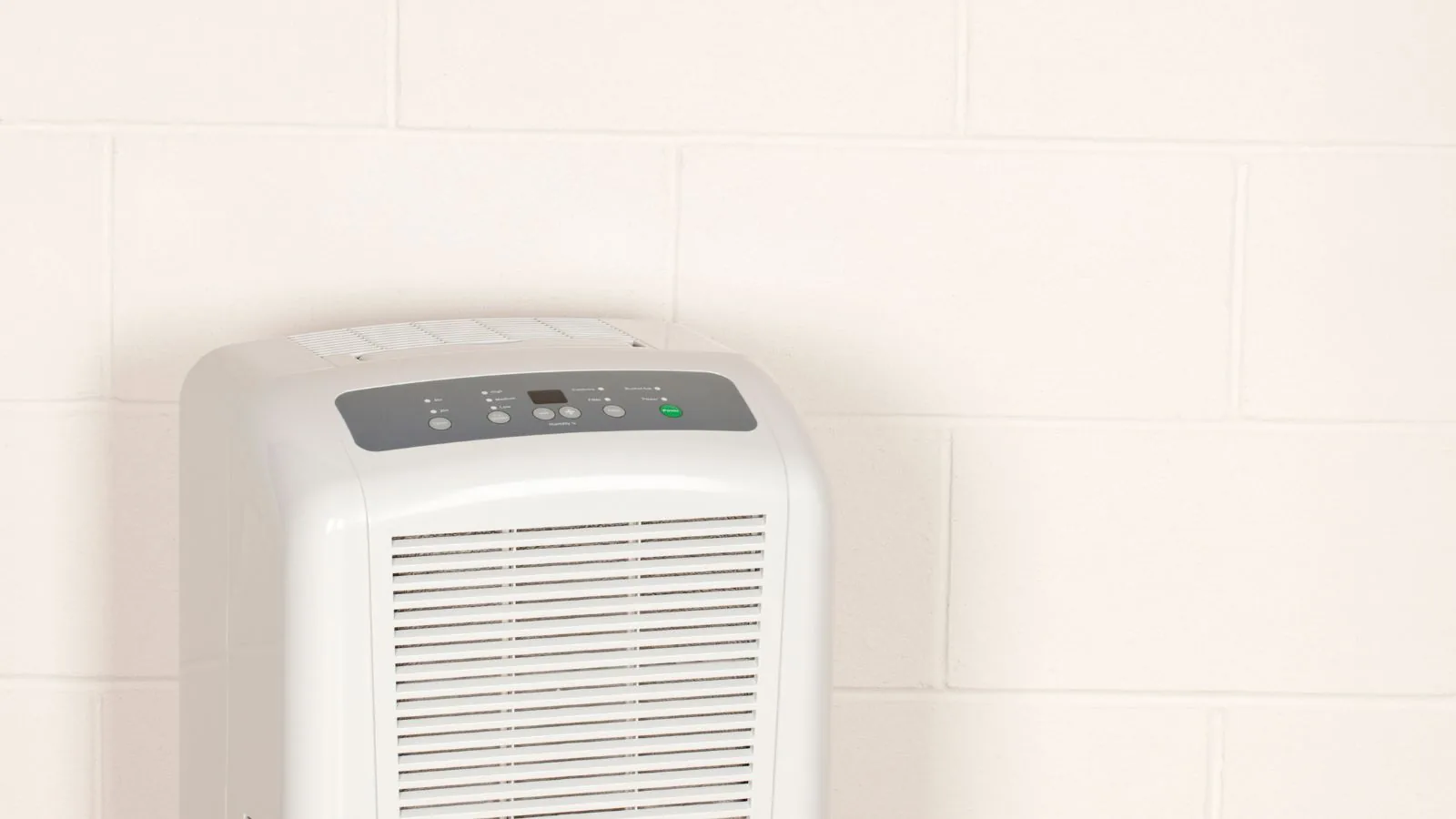
A hygrometer reads the humidity and temperature of the air. Crews use it to calculate the grains of moisture per pound of air, often called GPP. If the air is already saturated, no amount of fan time will dry the walls, which is why dehumidifiers are part of every job.
What each tool is used for
Each tool answers a different question.
| Tool | What it measures | Best use |
|---|---|---|
| Pin moisture meter | Resistance between two probes | Wood, framing, drywall edges |
| Pinless meter | Moisture through the surface | Scanning walls and floors without holes |
| Thermal camera | Surface temperature differences | Finding where to look |
| Hygrometer | Air humidity and temperature | Setting dehumidifier output and tracking progress |
Ask for the numbers, not just the equipment
Call and ask how readings will be logged.
What a good drying log looks like
A drying log is a table of readings taken at the same spots each day. It lists the date, the location, the material, the reading, and the equipment running. You should be able to see the numbers fall from the first day to the last.
Ask for a copy of the log at the end. It is useful for your own records, and it supports an insurance claim, because it shows what was wet and how it dried. If a company removes equipment without showing readings, ask why.
Readings also tell the crew when to stop. Leaving equipment too long wastes money, and removing it too soon leaves wet framing behind drywall that may later grow mold. Our page on structural drying and dehumidification describes the process in more detail.
What a number on a home meter can and cannot tell you
A consumer moisture meter bought at a hardware store can be useful for checking a suspicious wall. It is less useful for deciding when a house is dry, because it may not be calibrated for each material and because it only reads the surface or a shallow depth.
If you use one, take readings in an area you know is dry and compare. A reading much higher than that area is a sign of moisture, and a call to a professional is worth it. If you see stains, a musty smell or bubbling paint, trust those signs even if the meter says the surface is dry.
Where readings go wrong
A reading is only as good as the way it was taken. A meter pressed on a painted surface, a different material or a spot near metal can give a misleading number. Readings taken only in the most visible spot can miss wet material elsewhere. Crews who map a room by checking many points, and who record the same points each day, get a clearer picture.
Meters also respond differently to different materials. A number that is normal for drywall may be high for hardwood. That is why a dry standard is set from a dry area of the same material in the same building, and why a single number printed on a form does not tell you much.
If a reading looks odd, ask the technician how and where it was taken, and ask for it to be repeated. A good technician will welcome the question.
What to expect on a drying day
On most jobs, a technician returns each day or every other day to check the readings, adjust the equipment and decide whether to keep going. Equipment may be moved to reach wet areas that are not yet drying. Some areas dry first and their equipment is removed, while others take longer.
You should see the numbers trending downward. If they stall, the technician should look for hidden moisture, such as wet insulation or a leak that is still active. The goal is not to keep equipment running as long as possible. It is to reach the dry standard and then stop.
What to do before a crew arrives
Before a crew arrives to take readings, make the areas reachable and stop the source if you can. Do not run heaters to dry walls quickly, and do not paint or seal anything that is still damp. Write down when the water started, because readings mean more with a timeline.
Where readings lead next
Readings that stay high point to wet material that needs more work. For hidden wet framing and insulation, see our page on wall and drywall water damage repair, and for floors that cup after a leak, see hardwood floor water damage repair.
Dumont note: why materials in older and newer houses read differently
Dumont is a borough with buildings from many periods. Grant and Lincoln schools opened in 1911, Dumont High School in 1932, Honiss School in 1955 and Selzer School in 1960. Homes in the borough vary in age in a similar way, which means walls may be plaster, drywall or a mix. Plaster and gypsum board hold and release water differently.
The practical consequence is that a single meter setting does not fit every wall in a house. Ask your crew which scale or setting they used for each material, and whether they compared against a dry reference in the same house. The U.S. Environmental Protection Agency advises drying wet materials within 24 to 48 hours to prevent mold growth, so ask for readings within that window. The same question applies to homes in Cresskill and Oradell, which have older housing as well.
Frequently asked questions
It depends on the material and the meter. Crews compare against a reading from an unaffected area of the same material and call it dry when the numbers match.
It finds cool areas where water may be, but it does not measure moisture. Crews confirm with a moisture meter.
Usually once a day at the same spots during a job. The numbers should fall until they match the reference.
Yes. It is a useful record and supports an insurance claim.
Yes. Plaster over lath dries slowly and reads differently from drywall. Ask the crew to compare against a dry plaster wall in the same house, and expect more days of readings.