Step one is stopping more damage, not paperwork
Insurance claims start the moment water gets in. The first thing to do is stop it, because most policies expect you to protect the property from further harm. Close the main shutoff, turn off power where water is near outlets, and move valuables out of the wet area.
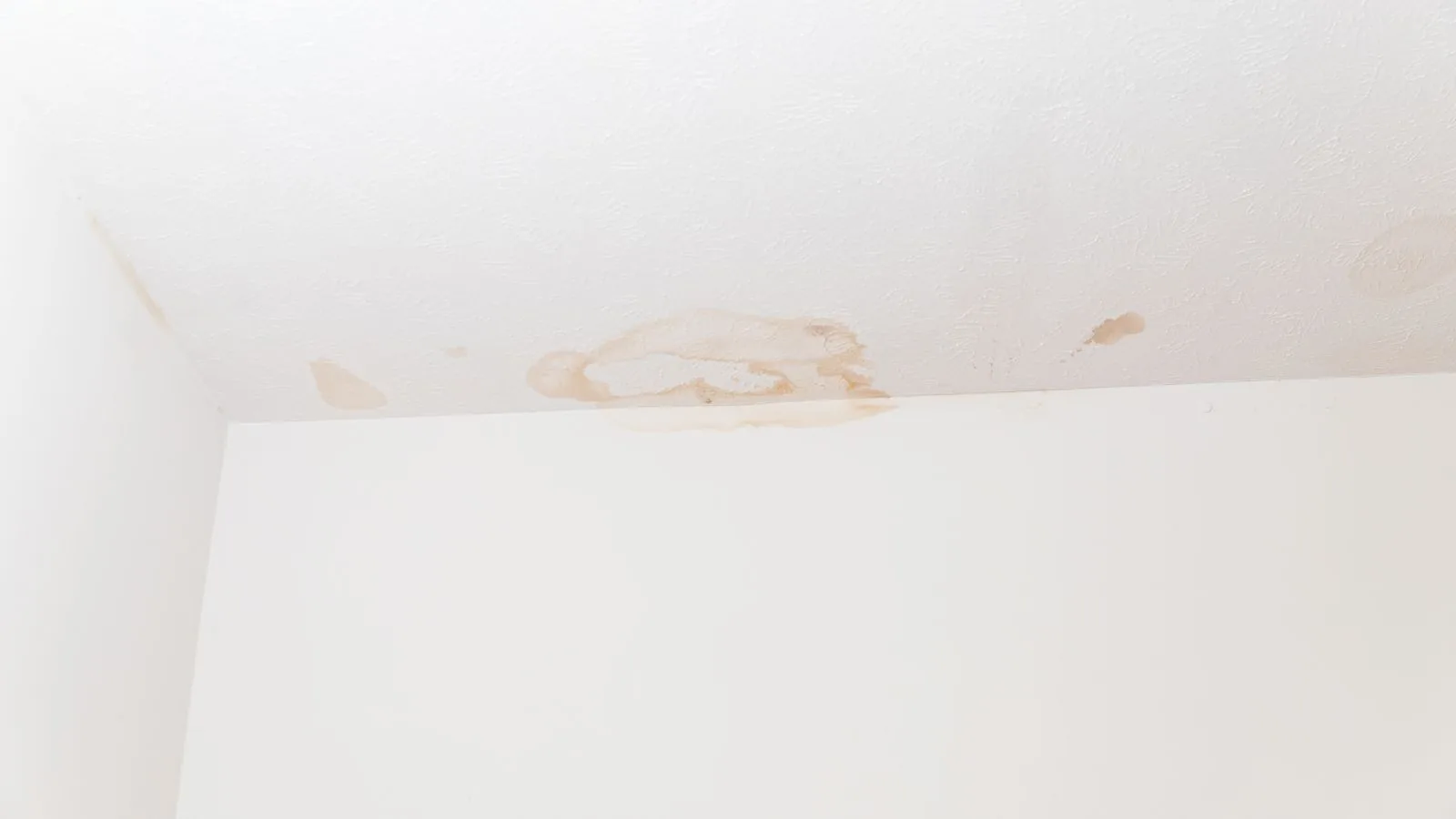
Then, before anything is thrown out or moved around too much, take photos. A claim is easier to describe when the adjuster can see what you saw. If someone is in danger, forget the photos and get safe first.
The claim in order
Every claim differs, but this sequence works for most sudden losses:
- Stop the source and make the area safe.
- Photograph and video the water, the source and the damage, wide and close.
- Call your insurer or agent to report the loss, and note the date, time and the name of the person you spoke to.
- Ask whether you may begin emergency drying and what records they want.
- Call a restoration company so drying starts quickly. It limits damage and often limits the claim.
- Keep damaged items you can safely store, or photograph them before disposal.
- Keep receipts for emergency repairs, hotel stays and supplies.
- Meet the adjuster, share your photos, and ask for the scope in writing.
What to document, and why
Insurers and adjusters look for the same few things.
| Item | What to capture | Why it helps |
|---|---|---|
| The water source | A broken pipe, hose or valve, before it is repaired | Shows the cause and the suddenness |
| The water line | Marks on walls, furniture and fixtures | Shows how deep and how far |
| Damaged contents | Photos, brand, model, approximate age | Supports a contents list |
| Moisture readings | Daily logs from the drying crew | Shows what was wet and how it dried |
| Conversations | Date, time, name and summary | Keeps a record of what was said |
| Receipts | Emergency repairs, supplies, lodging | Supports reimbursement requests |
What the restoration company contributes
A drying crew generates records that help a claim. These include a written scope of work, photos of the damage, moisture readings and a log of the equipment used and the days it ran. Ask for copies. Our page on structural drying and dehumidification explains how moisture mapping creates this record.
We do not file claims for you, we do not claim any insurer approval or preferred status, and we never promise a claim will be paid. What we can do is document the loss clearly and explain the scope and price before work starts.
Document the loss while the water is still there
Call our 24/7 line, and we will start drying and keep the records.
Working with the adjuster
An adjuster is the insurer's representative who looks at the loss and estimates what is covered. Be polite and clear, show your photos and logs, and ask questions. If you disagree with the scope, ask for the reasoning in writing.
Get a copy of the adjuster's estimate. Compare it with the restoration company's scope. Differences are common, and they can often be resolved by sharing the moisture readings and photos that justify the work.
If new damage appears later, such as a stain that shows up after the drying, tell the insurer promptly. Many policies allow supplemental claims, but check your own wording for time limits.
Mistakes that make claims harder
A few habits create trouble. Throwing out damaged items before photographing them removes evidence. Waiting several days to report the loss can raise questions about whether the damage grew. Starting major demolition before the insurer has a chance to see anything may complicate the scope.
At the same time, do not wait for the adjuster before you dry the structure. Water left sitting makes the claim larger, and EPA guidance says to dry wet materials within 24 to 48 hours to prevent mold growth. Ask the insurer what to do, and document as you go.
Keeping a simple claim file
A claim goes more smoothly when everything is in one place. Use a folder on paper or on your phone and add to it as you go. Include photos and video, the date and time you found the damage, the claim number, the adjuster's name and phone number, receipts and the contractor's scope.
Write down every call with your insurer, including the date, who you spoke with and what was said. Follow important calls with an email so there is a written record. If anything is unclear, ask your insurer to explain it in writing.
Questions worth asking your insurer
Policies differ, so ask directly:
- Does my policy cover this cause of loss?
- What is my deductible for this claim?
- What documents do you need, and by when?
- Will you inspect before repairs begin?
- How does the policy treat mold that follows water damage?
Industry references that support your records
Drying records that follow ANSI/IICRC S500 practice, such as daily readings and equipment logs, give an insurer clear evidence of what was done. Ask your contractor to share them. Your insurer decides coverage, and the records help the conversation.
Pages that match common claim causes
Claims often start with a supply line or heater failure. Our pages on burst pipe water damage and water heater leak cleanup show what the damage and the documentation usually look like.
Dumont note: records and permits
Dumont residents live in a borough of 1.95 square miles with 6,572 housing units, and many repairs after a water loss involve drywall, flooring and cabinets. Minor work often does not need a permit, but plumbing changes and new electrical work can. Keep any permit paperwork along with the claim file, because insurers sometimes ask for proof that work was done properly.
Ask the Dumont building department, which is part of the borough government at dumontnj.gov, what applies to your repair. For questions about insurance practices in the state, the New Jersey Department of Banking and Insurance publishes consumer guidance. If your property is near the line, the same advice applies to neighbors in Haworth and Demarest.
Frequently asked questions
As soon as you can. Policies often require prompt notice, and early reporting lets the insurer see the damage and guide the next steps. Check your policy for specifics.
Usually yes, and you should, to stop further damage. Document the damage first and keep records. Ask your insurer if you are unsure.
Keep what you can safely store, and photograph the rest before disposal. Your insurer will tell you what they need to see.
We provide documentation you can share. We do not claim approved or preferred status with any insurer, and we do not promise any claim outcome.
Ask them. Permit rules vary by the type of work, and minor repairs often do not need one while plumbing or electrical changes may.