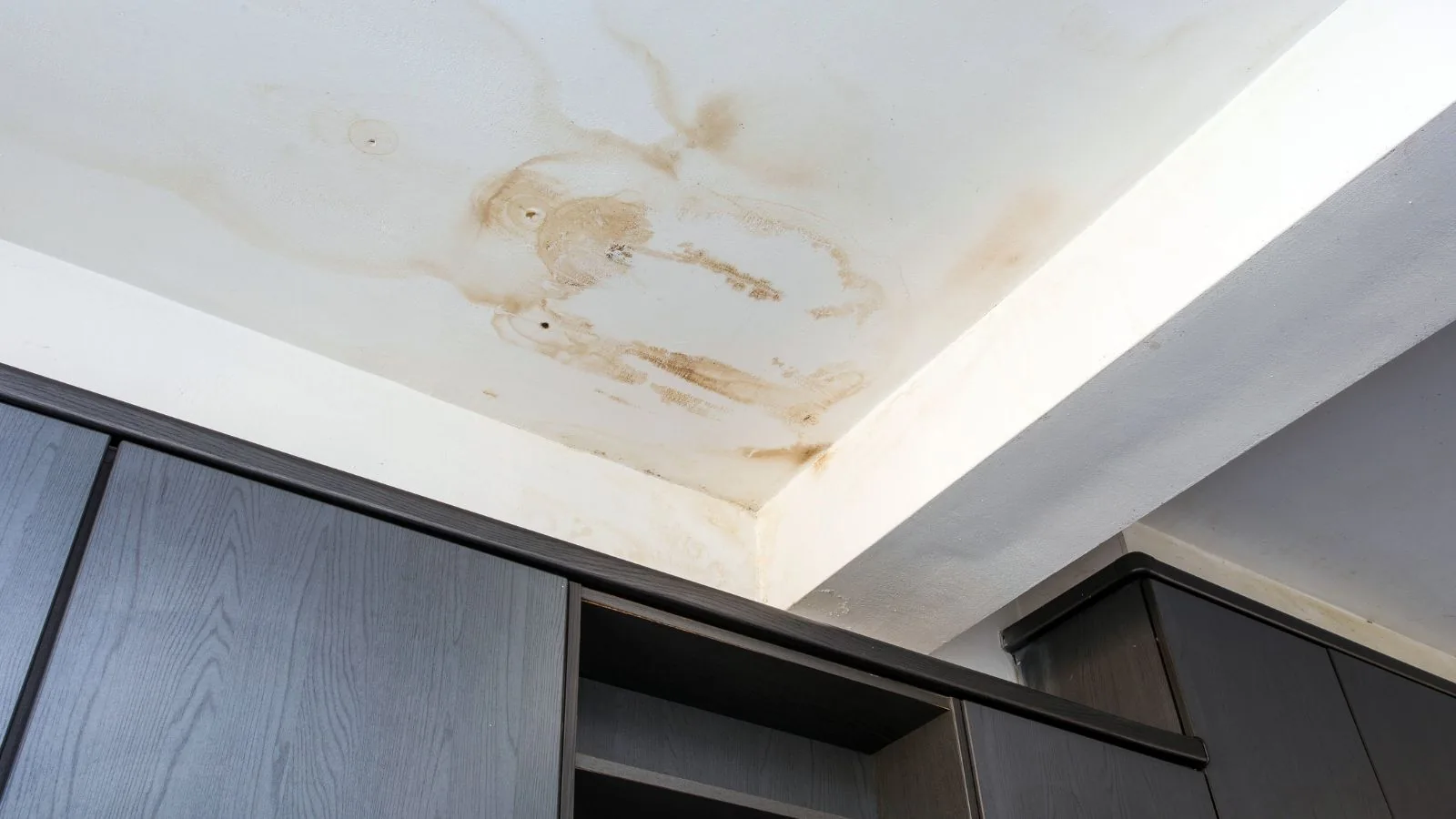
Why two quotes can look so different
Two companies can look at the same wet room and write quotes that are far apart. One may price only extraction and drying. Another may include demolition, cleaning, deodorizing and some rebuild. A third may leave out equipment days so the number looks low.
That is why a total alone tells you little. A useful estimate breaks the work into parts you can compare, and it states what is not included. Use the checklist below to read each quote the same way.
Water damage cost also depends on the source of the water, the area affected, the materials and how fast drying begins. We do not quote prices here because every loss differs. We explain the scope and price before work starts, and you should expect the same from anyone you hire.
Line items a clear estimate should show
Look for each of these, either as a line or in a plain note.
| Item | What to look for | Why it matters |
|---|---|---|
| Water source and category | A named source and a water category | Contaminated water changes the scope |
| Extraction | Method and areas covered | Removes standing water first |
| Drying equipment | Count of fans and dehumidifiers and planned days | Equipment days drive cost |
| Moisture monitoring | Readings taken and when | Shows when drying is complete |
| Demolition | Which materials will be removed | Wet drywall or pad may not dry |
| Cleaning and treatment | Surfaces and method | Contaminated water needs more care |
| Rebuild | Included or separate | Often a different phase and price |
| Exclusions | Written list | Prevents surprises later |
Questions to ask before you say yes
Ask the same questions of every company. How many pieces of equipment will run, and for how many days? How will you decide when the structure is dry? What happens if you open a wall and find more damage? Who pulls permits if they are needed? What is the payment schedule?
Ask also how the company works with insurers. A company may help you document the loss, but it should not promise that a claim will be approved. Only your insurer decides coverage.
Save every written quote and every message. If the scope changes, ask for a revised estimate in writing before work continues.
Want a second set of eyes on a quote?
Call and describe what the quote includes.
Red flags worth pausing over
None of these proves a company is unreliable, but each deserves a direct question:
- A price with no breakdown, only a single total.
- Pressure to sign immediately before anyone has measured moisture.
- A request for full payment before work starts.
- No mention of drying equipment, days or moisture readings.
- A promise that your insurer will approve everything.
- Vague language about what happens if more damage is found.
How drying records support your claim
Daily moisture readings and equipment logs are useful for you and for your insurer. They show where water was, how it dried and when materials reached normal levels. Ask whether the company will share these records, and ask in what form.
ANSI/IICRC S500 is the published standard for water damage restoration. You can ask any company whether its crews follow it. Our pages on structural drying and dehumidification and flood damage restoration show what that process looks like.
When to get a second quote
A second quote is reasonable when the first is far higher or lower than expected, when the scope is unclear or when you feel pressured. It is not reasonable to wait days while water sits, because delay raises the cost. Ask for an emergency drying start first, and compare the longer scope while the structure dries.
That order is common in practice. Mitigation protects the property now, and decisions about rebuild can follow once the structure is dry and the insurer has seen the loss.
A worked example of reading two quotes
Imagine two quotes for the same wet kitchen. Company A lists a single total. Company B lists extraction, five air movers and two dehumidifiers for four days, removal of drywall to two feet on two walls, cleaning, moisture readings each day and a note that rebuild is priced separately.
Company B may cost more on paper, but you can see what you are buying. Company A may be cheaper because it assumes fewer days, leaves out the readings or expects to add charges later. Without lines, you cannot tell.
The lesson is to compare the same items across quotes. If one company leaves out something another includes, ask both why. The answer often reveals who has read the room carefully.
Payment and paperwork
Ask how and when you will be asked to pay. Some companies bill at the end of drying, others bill in stages, and some ask for a deposit. Whatever the plan, get it in writing, and match payments to completed work.
Keep copies of the estimate, any signed agreement, change orders, invoices and proof of payment. If your insurer is involved, ask what documents they want. Do not sign a form that assigns your claim or benefits to anyone until you understand it, and ask your insurer or an attorney if you are unsure.
Keep the estimate current
An estimate is a snapshot. As the job goes on, things change, such as a wall that opens up with more damage or a drying schedule that runs longer. Ask for an updated scope whenever the plan shifts, and compare it to the original before you approve.
Dumont note: records and permits
Dumont is a borough of 1.95 square miles with 6,572 housing units, so finishes and plumbing vary from house to house. If a quote includes moving plumbing or adding outlets, ask who pulls the permit and ask the Dumont building department what applies. Ordinary maintenance is generally exempt under state rules, but rearranging plumbing and adding outlets are not.
Neighbors in New Milford and Cresskill should ask their own building departments, since offices differ.
Frequently asked questions
A water source and category, extraction, equipment and days, moisture monitoring, demolition, cleaning, rebuild if included, and a list of exclusions.
No. A low number may leave out equipment days or rebuild. Compare scope, not only price.
Be careful. Ask for a clear payment schedule in writing.
Only your insurer decides. Ask your insurer what documents it needs.
Ordinary maintenance is generally exempt, but some plumbing and electrical changes need permits. Ask the Dumont building department.