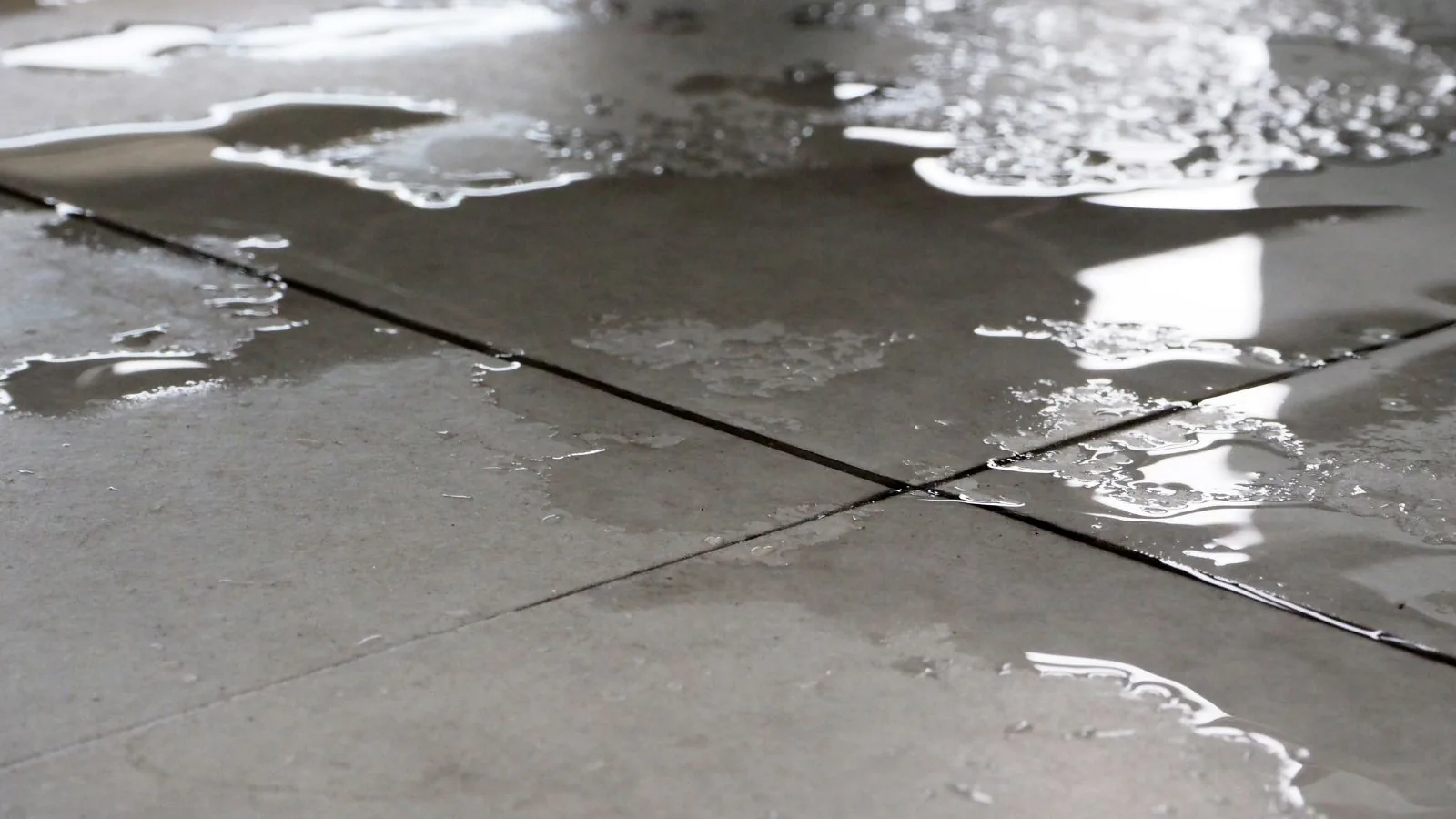
What a jump in the bill can mean
A sudden jump in your water bill, with no change in how many people live in the home or how you use water, can point to a leak. Many leaks are small, slow and hidden. A running toilet or a dripping line can waste a lot over weeks.
A bill can also rise for reasons that are not leaks, such as a rate change, a billing error, a longer billing period, guests or lawn watering. Check the bill itself first for dates and usage, then test for a leak.
Ask your water provider about the reading and what a normal range looks like for your home. We have not found a single borough water utility to name for Dumont, so check your bill for the company that serves your address.
A simple meter test
This test shows whether water moves when nothing should be using it:
- Turn off every fixture and appliance that uses water. Pause the ice maker and the irrigation system.
- Find your water meter, which is often in a basement, utility area or outdoor box.
- Read the meter and note the number or watch the small leak indicator if it has one.
- Wait an hour or two without using any water, then read it again.
- If the number moved, water is going somewhere. Shut the main valve and call a plumber.
Common hidden leak sources
Start with the places that cause most hidden loss.
| Source | How to check | Clue |
|---|---|---|
| Toilet flapper | Add food coloring to the tank, wait 15 minutes | Color appears in the bowl |
| Faucets and showerheads | Look and listen for drips | Drips at night |
| Water heater | Check base and fittings | Moisture or rust |
| Supply lines under sinks | Dry paper towel under pipes | Damp spots |
| Slab or buried line | Meter moves with everything off | Warm spots or hissing |
| Outdoor spigot or irrigation | Check lines and valves | Wet ground |
Found water damage along with the leak?
Call our 24/7 line and we will start drying.
When the leak has already caused damage
A hidden leak can wet drywall, flooring and framing before anyone sees it. Signs include a musty smell, peeling paint, warped baseboards, a stain that grows or soft flooring. If you see these, shut off the water, call a plumber to fix the source and call a restoration company to dry the structure.
Our pages on burst pipe water damage and slab leak water damage describe what crews do when the source is inside a wall or under a floor.
Take photos and save your bills. They may help if you file a claim, and your insurer decides what your policy covers. Gradual leaks are often treated differently from sudden ones, so check your policy.
What to do next
If the meter test shows movement, shut off the main and call a plumber. If it does not, check the bill dates, read the meter regularly for a week, and compare to the previous year. If the numbers stay high, ask your water provider for help.
Do not ignore a high bill because the house looks dry. Hidden leaks cost money every day, and the longer they run the more they can damage.
Reading the bill itself
Start with the bill, since it often explains the jump. Look at the billing dates and see whether the period was longer than usual. Look at the usage measured, which is often shown in gallons or cubic feet, and compare it to the same month last year. A bill that is only slightly higher may be seasonal, while one that doubles with no change at home deserves attention.
Check whether the reading was estimated or actual. An estimated bill can swing when the next actual reading arrives. If the reading looks wrong, ask the water provider to confirm it, and ask whether they offer leak adjustments or alerts for unusual use.
Quiet signs that water is escaping
Some leaks announce themselves, while others leave small clues. Listen for a faint hiss or the sound of running water when everything is off. Look for damp patches on floors and walls, a spot of grass that is greener or wetter than the rest, and a water heater that cycles more than it should.
A toilet that runs for a few seconds without anyone using it is another common cause. The fill valve may be worn or the flapper may not seal. This is a cheap fix, but left alone it can waste a lot of water over a month.
Warm spots on a floor, a drop in water pressure or the sound of water under a slab can mean a hidden line is leaking. Those cases call for a plumber with leak detection tools.
A short plan if you find a leak
Move in this order:
- Shut off the water at the fixture or at the main valve.
- Photograph the leak and any damage before touching anything.
- Call a plumber to repair the source.
- If materials are wet, call a restoration company to extract water and dry the structure.
- Tell your insurer, and ask what documents they need.
Fixing small leaks before they grow
Many leaks begin small. A worn toilet flapper, a dripping faucet washer or a loose supply connection costs little to repair when found early. Check fixtures a few times a year, and replace rubber parts that are cracked or stiff.
Know where your main shutoff valve is, and make sure everyone in the household can find it. In an emergency, knowing that one location saves time and limits damage.
What the industry standard adds
If a leak has already wet building materials, drying follows ANSI/IICRC S500, the published standard for water damage restoration. Fix the leak first, then ask a company how its crews will dry and document the structure.
Dumont note: where to look first
Dumont has 6,572 housing units in 1.95 square miles, and homes differ from one another. Whatever your home's age, check toilets and under-sink lines first. If you find a leak that needs plumbing changes, ask the Dumont building department whether a permit applies.
Neighbors in Oradell and Demarest can follow the same steps, and should check their own water provider's bill.
Frequently asked questions
Turn off all water use and watch the meter. If it moves, water is escaping.
Add food coloring to the tank, wait about 15 minutes without flushing, and see if color appears in the bowl.
Yes. Rate changes, longer billing periods and seasonal use can all raise it.
It depends on the policy and on whether the loss was sudden or gradual. Check your policy and ask your insurer.
Call a plumber for the source and a restoration company for drying. Our line is open 24/7.