When a professional is worth it
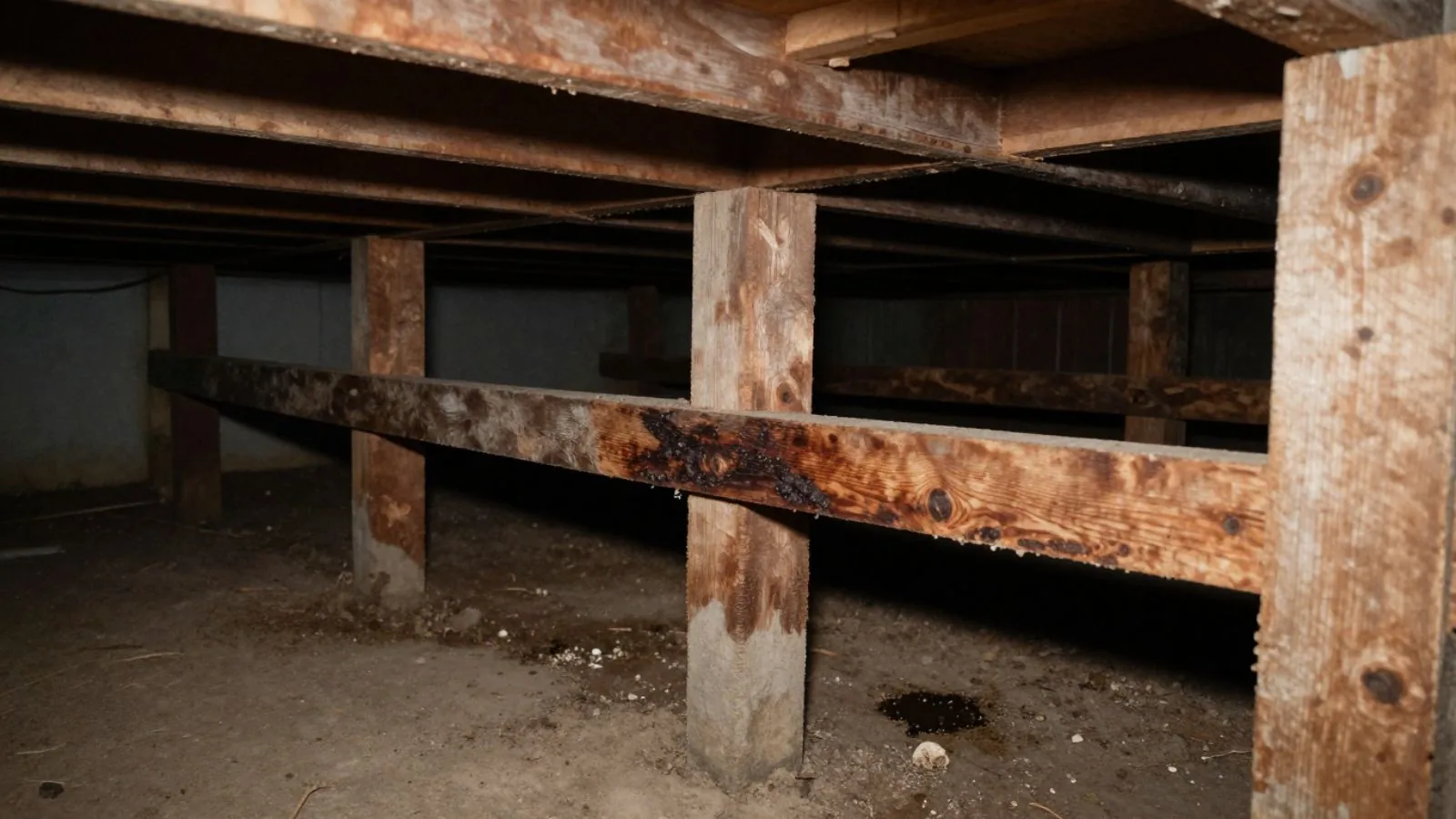
Some mold jobs are too big or too risky for a homeowner. EPA guidance suggests about 10 square feet as a rough limit for do-it-yourself cleanup. A professional is worth calling for larger areas, for mold in the HVAC system, for mold after sewage or flood water, and for hidden growth in walls or crawl spaces.
A professional also helps when you are unsure what you are seeing. Dark spots can be dirt, soot, or mold, and a trained eye with a moisture meter can tell the difference.
What the work usually involves
Professional mold work follows the ANSI/IICRC S520 standard, which sets how growth is contained and removed. The usual steps are:
- Find and fix the moisture source.
- Contain the area with plastic barriers, so spores do not travel to other rooms.
- Use negative air machines with HEPA filters to keep air flowing into the work area.
- Remove materials that cannot be cleaned, and bag them for disposal.
- Clean and treat remaining surfaces, then dry the structure.
- Check that moisture readings are normal and the work area is clean.
S520 is a published standard. We do not claim any certification beyond naming it, and you should ask any company how its crews follow it.
Do it yourself or hire a professional
This table helps you decide.
| Situation | DIY reasonable? | Why |
|---|---|---|
| Under about 10 square feet on a hard surface | Often | Small and accessible |
| Larger area | No | Needs containment |
| Growth inside walls or HVAC | No | Cannot be cleaned safely by hand |
| After sewage or flood water | No | Contaminated water adds risk |
| Unsure what it is | Ask first | A professional can tell |
Want an explanation before you commit?
Call and ask how a job would be contained.
Questions to ask before you hire
Ask each company the same questions and compare answers. How will the area be contained? Will you use negative air and HEPA filtration? How will you find and fix the moisture source? Which standard do your crews follow? What is included in the price? What happens if more growth appears behind a wall?
Also ask whether your state licenses mold work, and whether the company is licensed where it is required. Rules differ across states, so ask the state agency if you are unsure.
Be careful with anyone who promises to eliminate mold forever. A professional can remove growth and dry the structure, but no one can promise it will never return if moisture comes back.
Testing and who should do it
Testing can show whether spores in the air are higher than outdoors. It does not tell you whether anyone is affected, and it is not always needed when growth is visible. If you want testing, some homeowners hire an independent inspector who does not also sell the cleanup, so the person who tests has no stake in the result.
After the work, a visual check and moisture readings are usually enough to confirm it is complete, and some people want post-work testing too. Ask what the company will do and what you would need to pay for separately.
Cost: what shapes the price
Price depends on the area, the materials, the containment, the days of equipment and the amount of drying and rebuild. A small patch behind a vanity is a modest job. A basement or crawl space with widespread growth is much more.
Insurance may cover mold only when it results from a covered water loss, and many policies limit or exclude it. Check your policy or ask your insurer. Our crawl space water damage page explains one of the most common places mold starts.
What happens after the removal
When the work is done, the company should confirm that the area is dry and clean. That usually means moisture readings in the materials that remain, a visual check for any growth and a cleanup of the work area. Some owners also ask for air or surface testing by an independent party.
Ask for the drying readings and a written summary of what was removed, cleaned and treated. These records matter if you sell the house or file a claim. They also show whether the moisture problem was actually solved, which is the real test of the job.
Then watch the area. Check for odors, new stains and condensation over the next weeks and months. If signs return, the moisture source may not be fixed, and the cleanup should not be repeated until it is.
Ways to prepare your home before the crew arrives
A little preparation helps the work go faster:
- Clear belongings away from the affected area and note what you moved.
- Tell the crew about pets, children and anyone with health concerns.
- Make sure the crew has access to the area, the basement or the attic.
- Photograph the area before work starts.
- Ask where the containment will be placed and which rooms will be off limits.
A note on pricing and payment
Ask for a written scope and price before work starts, and expect the scope to list the area, the containment, the equipment days and the disposal. Be careful with a large deposit before any work begins, and ask for the payment schedule in writing.
If the crew opens a wall and finds more growth, the price may change. Ask in advance how that will be handled, and ask that revisions be written down before extra work continues. A clear plan avoids arguments later.
Dumont note: permits and neighbors
If a mold job means removing drywall, framing or flooring, ask the Dumont building department whether a permit is needed, because rules vary by the type of work. Dumont is a borough of 1.95 square miles with 6,572 housing units, and the department can tell you what applies to your address.
In nearby towns, ask the local building department as well. Our pages for Cresskill and Oradell describe how we serve those areas.
Frequently asked questions
It depends on the size and the drying. Small jobs can take a day or two. Larger ones take longer.
It depends on the size and location. Ask the company, and ask a physician if someone in your household has health concerns.
Sometimes, if it results from a covered water loss, and often with limits. Check your policy.
Ask whether the state licenses mold work and whether the company holds the license that applies. Ask the state agency if you are unsure.
Not always. If growth is visible, the work is the same. If you suspect hidden mold, start with an inspection.