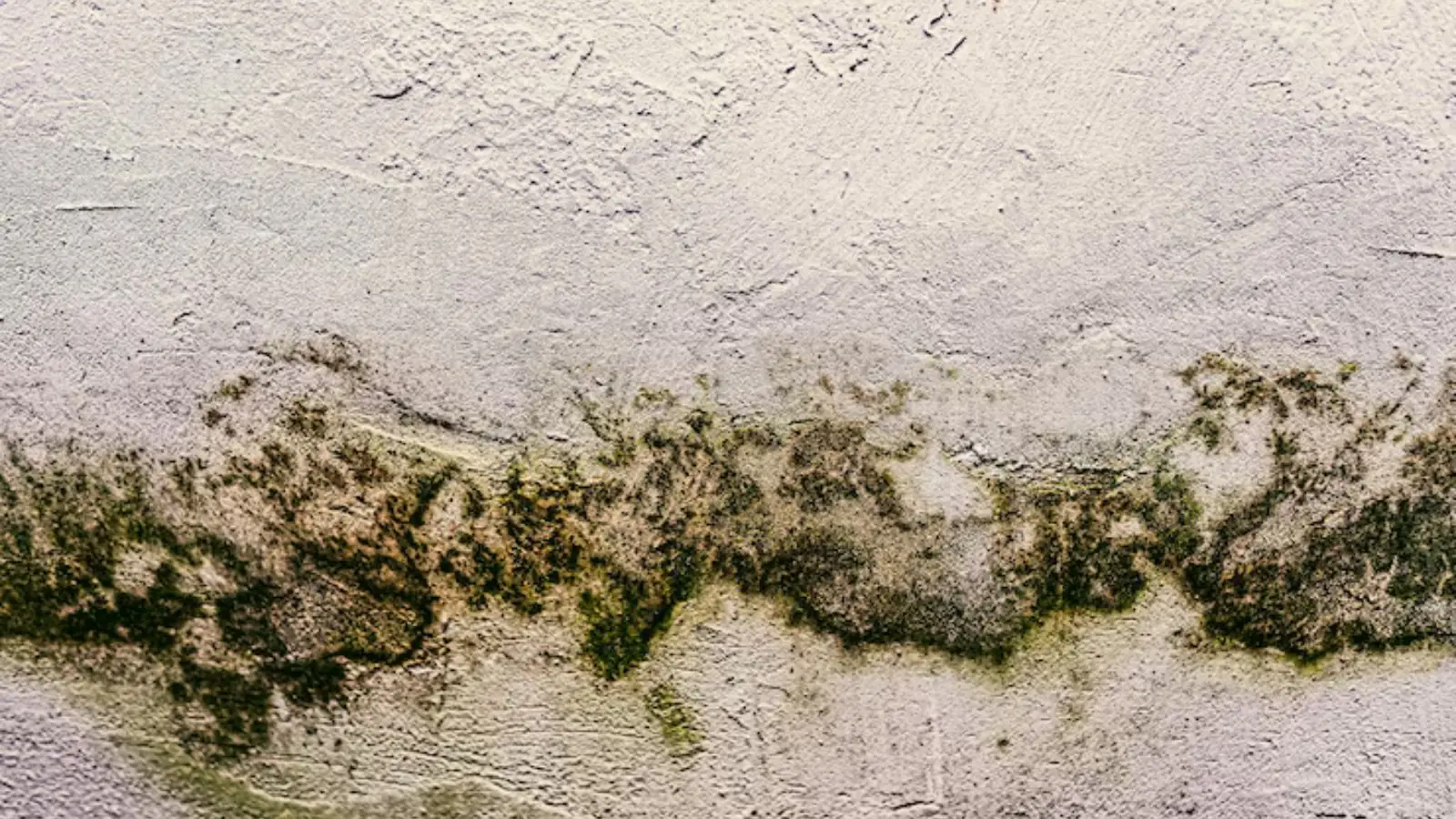
Step one is the water, not the mold
Mold grows where moisture lingers. If you clean it and the moisture stays, it will grow again. The first job is to find the source of the water and fix it, whether that is a leaking pipe, a roof leak, a window that sweats, a clogged condensate line or a damp basement wall.
Then dry the area. EPA guidance says to dry wet materials within 24 to 48 hours to prevent mold growth. After that, the area can be cleaned. Without drying, cleaning is a short-term fix.
We do not make health claims about mold. If someone in your household has health concerns, talk with a physician.
Is this a do-it-yourself job?
EPA guidance says that in most cases you can handle a mold patch smaller than about 10 square feet, which is roughly a 3 foot by 3 foot area. Larger areas, mold that came from sewage or flood water, mold inside walls or in a heating and cooling system, and any situation where you feel unsure are good reasons to call a professional.
Our mold remediation page explains how professionals contain and remove larger growth.
A careful way to clean a small area
If the patch is small and the source is fixed, this is the usual approach:
- Wear an N95 or better respirator, gloves and eye protection. Open a window if you can, but do not blow spores through the house.
- Remove porous materials that are moldy, such as a piece of ceiling tile, carpet or wet insulation, and bag them in heavy plastic.
- On hard surfaces, scrub with detergent and water, then rinse with a damp cloth.
- Dry the surface completely with a fan and a dehumidifier.
- Check again after a few days. If growth returns, the moisture is still there.
Do not mix bleach with ammonia or other cleaners, because the fumes can be dangerous. EPA does not recommend using bleach as a routine step in mold cleanup.
What to clean and what to remove
The material decides the method.
| Material | Usual approach | Notes |
|---|---|---|
| Tile, glass, metal | Scrub with detergent and water | Dry fully |
| Sealed wood | Scrub and dry | Sand lightly if stained |
| Drywall with growth | Cut out and replace | Paper facing feeds mold |
| Carpet and pad | Remove | Hard to clean |
| Ceiling tile | Remove | Porous |
Mold bigger than a patch? Call before you scrub
Call our line and describe what you see.
Why mold comes back
Mold returns for one reason: moisture. A leak that was never fixed, a bathroom fan that does not vent outside, a basement that stays humid in summer, or a wall that stayed wet inside after a repair can all feed new growth.
Keep indoor humidity under 60 percent, ideally between 30 and 50 percent, according to EPA guidance. A small hygrometer shows you the number. Run a dehumidifier in a damp basement, and fix gutters and grading that send water toward the foundation. See our basement water damage cleanup page for what that looks like after a flood.
How to tell mold from dirt or a stain
Not every dark spot is mold. Dirt, soot, mildew-like film and old water stains can look similar. Mold often shows up as fuzzy, speckled or slimy patches, in colors from black and green to white and gray, and it usually comes with a musty smell.
A simple test is to wipe a small spot with a damp cloth. Dirt usually comes off, while mold tends to smear or return. If the spot returns within days, the surface is probably still damp. A moisture meter, which professionals carry, can check whether a wall or floor is wet even when nothing is visible.
We do not diagnose anything from a stain in a photo. If you are unsure, describe the spot and its location on a call, and we will tell you what questions to ask.
Where mold hides after a leak
Growth often starts out of sight. Check these places when you smell mustiness but see nothing:
- Behind baseboards and under the edge of carpet.
- Inside cabinets under sinks and around dishwashers.
- On the back side of drywall near a wet wall.
- In attic sheathing under a roof leak.
- In crawl spaces and on the underside of subfloors.
- Around window frames where condensation collects.
When to stop and call someone
Stop if the patch is larger than you expected, if you find it spreading inside a wall, or if you cannot find the water source. Stop also if cleaning kicks up dust, if the area was wet with sewage or flood water, or if someone in the home has health concerns. In each case, a professional can contain the area and remove material safely.
Fixing the water comes first, then cleaning. A plumber may need to repair a pipe, a roofer may need to patch a leak and a restoration crew may need to dry the structure. Doing these in the right order saves money, because cleaning a wet wall twice costs more than drying it once.
Dumont note: humid basements and where to ask about permits
Dumont has 6,572 housing units in 1.95 square miles, and many homes have basements, which are the most common place for stale, damp air in summer. A basement that smells musty is worth a hygrometer reading before you buy a bleach bottle. If the reading stays above 60 percent, a dehumidifier is the first step.
If cleanup means opening walls or replacing framing, ask the Dumont building department whether a permit applies, since rules vary by the type of work. Neighbors in Haworth and New Milford should ask their own building departments as well.
Frequently asked questions
Small patches on hard surfaces can often be cleaned if the moisture is fixed. EPA guidance suggests about 10 square feet as a rough limit. Larger or hidden mold should be handled by a professional.
Because moisture is still present. Fix the source and dry the area.
Yes. Use a respirator, gloves and eye protection when cleaning mold.
EPA does not recommend bleach as a routine part of cleanup. Detergent and water, plus removal of porous materials and drying, are the usual steps.
Check humidity with a hygrometer, run a dehumidifier, and look for leaks or damp walls. If you see growth, treat the moisture before the stain.